
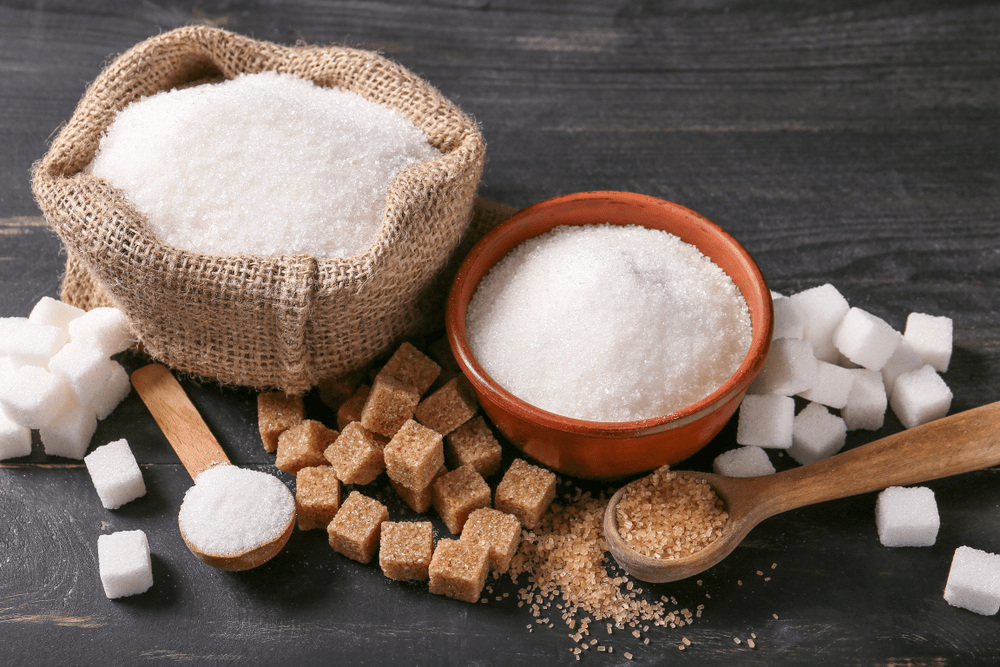

In the age of health-conscious living, many people are turning away from sugar and toward sugar alternatives to reduce calories and minimize the health risks associated with excessive sugar consumption. However, not all sugar substitutes are created equal, and some come with their own risks. Two popular alternatives, erythritol and aspartame, have recently come under scrutiny. Let’s explore the landscape of sugar alternatives and take a closer look at the benefits and potential dangers of these two substitutes.
Why Choose Sugar Alternatives?
Sugar, especially in its refined form, has been linked to numerous health issues such as obesity, diabetes, and heart disease. Reducing sugar intake is one of the simplest and most effective ways to improve overall health. However, completely giving up on sweet-tasting foods can be difficult, which is why sugar substitutes have gained so much popularity.
Some common sugar alternatives include:
- Stevia: A natural sweetener derived from the leaves of the Stevia plant.
- Monk fruit sweetener: Another natural option, made from a small melon found in Southeast Asia.
- Xylitol: A sugar alcohol found in many fruits and vegetables, commonly used in sugar-free gums.
- Erythritol: A sugar alcohol with zero calories, popular in low-carb and keto diets.
- Aspartame: A low-calorie artificial sweetener found in many diet sodas and sugar-free products.
While some of these alternatives offer health benefits, others may have hidden risks. Let’s focus on erythritol and aspartame, two widely used sugar substitutes, and examine the potential dangers associated with them.
Erythritol
Erythritol is a sugar alcohol that’s popular because of its almost zero-calorie content and its ability to mimic the taste of sugar without spiking blood sugar levels. It’s commonly found in sugar-free snacks, protein bars, and low-calorie beverages.
The Cons and Dangers of Erythritol: Recent studies have raised concerns about the potential risks of erythritol, especially with long-term consumption.
- Potential cardiovascular risks: A study published in 2023 suggested a link between erythritol consumption and an increased risk of blood clotting, which could lead to strokes or heart attacks in certain populations. The study indicated that people with underlying health conditions may be more susceptible to these risks.
- Digestive issues in larger quantities: Although erythritol is generally well-tolerated, consuming it in excess can still lead to bloating, gas, and diarrhea due to its laxative effects.
While erythritol might be a safer option compared to other artificial sweeteners, it’s important to monitor consumption and pay attention to how your body responds, especially if you have any cardiovascular concerns.
Aspartame
Aspartame is an artificial sweetener used in a wide variety of products, including diet sodas, sugar-free gums, and low-calorie foods. It is about 200 times sweeter than sugar, meaning only small amounts are needed to sweeten products. However, it has been surrounded by controversy since its introduction in the 1980s.
The Cons and Dangers of Aspartame: Despite its popularity, aspartame has been linked to a variety of potential health risks.
- Cancer concerns: Over the years, various studies have suggested a possible link between aspartame and an increased risk of cancer. However, the FDA and other health organizations maintain that aspartame is safe for consumption in moderate amounts. The controversy continues as some animal studies show an increased risk of certain cancers, though human studies have been inconclusive.
- Neurological effects: Aspartame breaks down into several compounds, including phenylalanine, aspartic acid, and methanol, which some researchers argue could affect brain chemistry. There have been claims that aspartame may exacerbate conditions such as headaches, depression, and anxiety in sensitive individuals.
- Phenylketonuria (PKU): People with the genetic condition PKU are unable to metabolize phenylalanine, a component of aspartame, and must avoid it entirely to prevent severe health complications.
Aspartame is generally recognized as safe when consumed within the established limits, but its potential effects on brain health and the ongoing debate surrounding its safety suggest it may be best to limit its use.
The key takeaway? Moderation is everything. Pay attention to how your body responds to sugar alternatives and stay informed about the latest research.




 The Writer's Oven
Leave a comment